Khon Kaen University’s technology transfer supports regional economic development and sustainable food security.
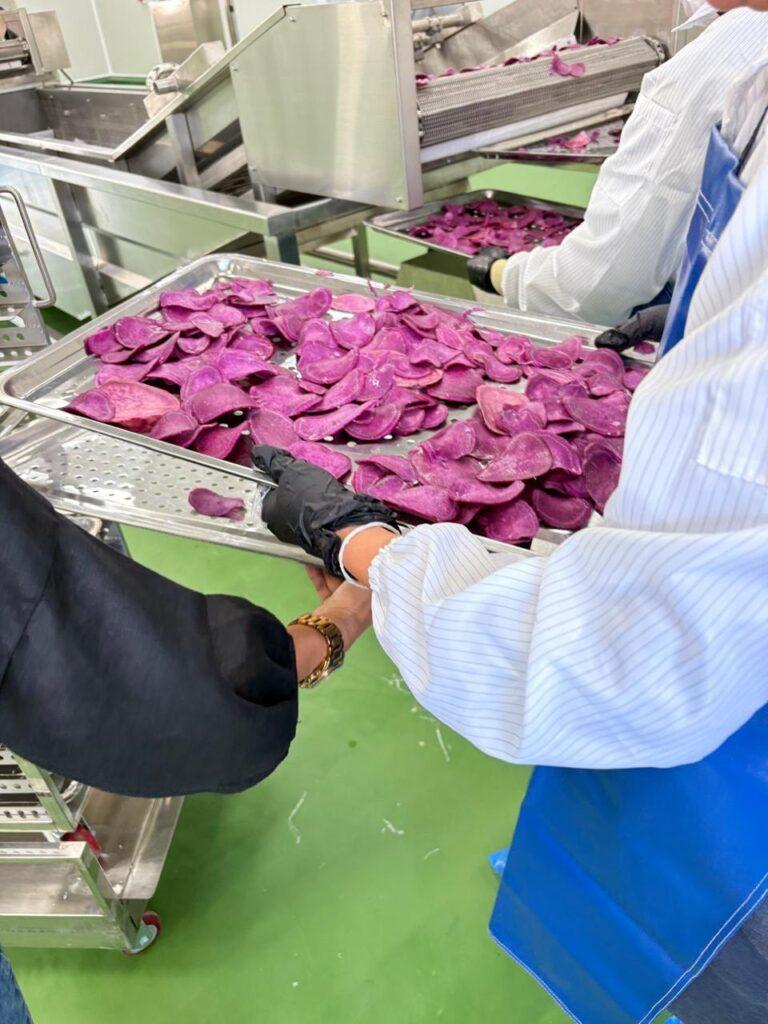
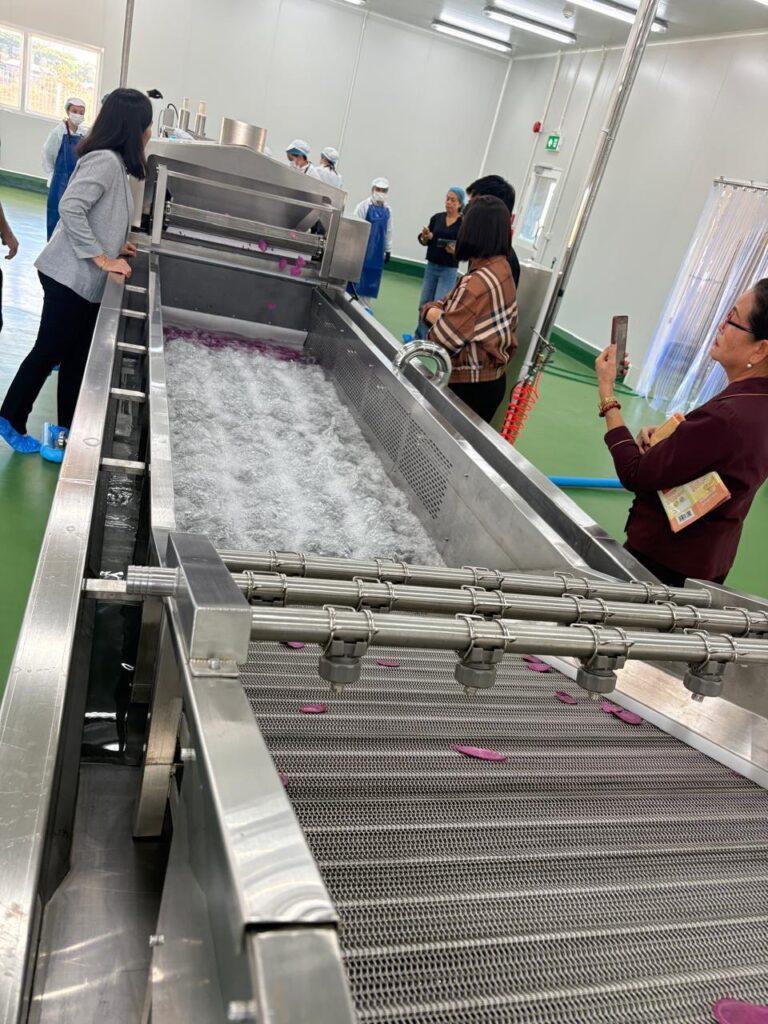
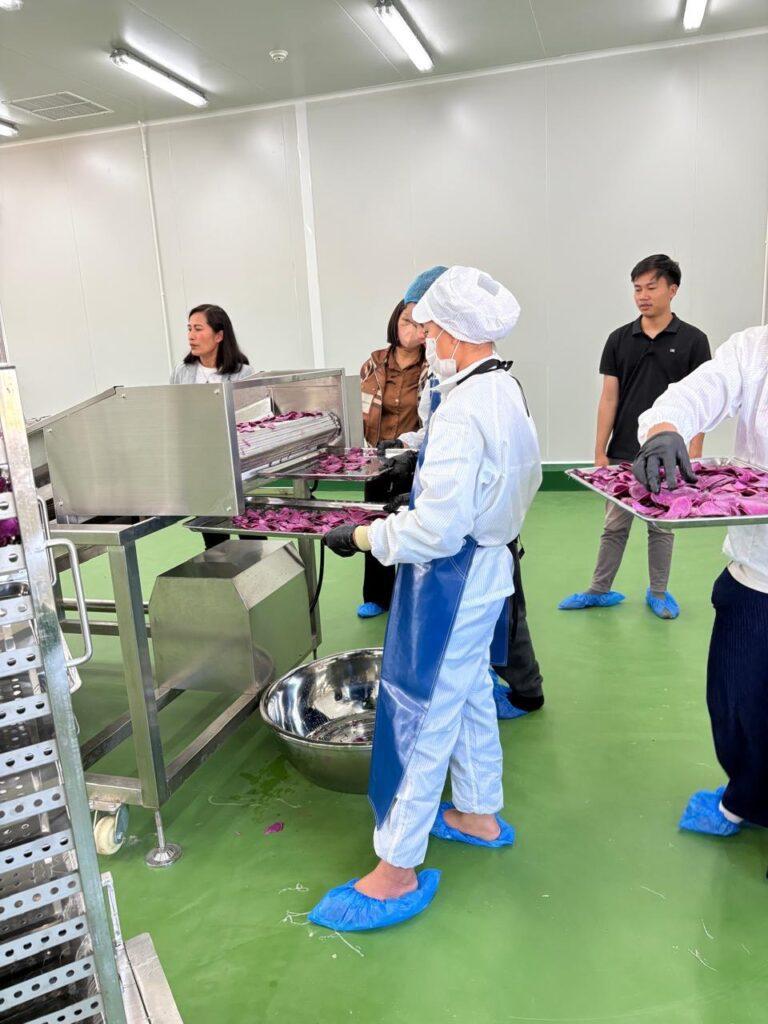
On 4 December 2025, from 09:00 to 16:00 hrs, the Faculty of Technology, Khon Kaen University, established a collaboration with Thai-Global Organic Co., Ltd. for a research and development project focused on “Vacuum-Fried Purple Sweet Potato Chips.” The project involved utilising Vacuum Fried technology to design the necessary production processes and establish an industrial-scale production line for SUPAWAT Group Sole Co., Ltd. in the Lao People’s Democratic Republic (Lao PDR). This initiative represents a concrete advancement in translating academic knowledge into commercial application. Subsequently, SUPAWAT Group Sole Co., Ltd. installed the machinery and production line based on the design proposed by the Faculty of Technology to prepare for full-scale manufacturing in Lao PDR.
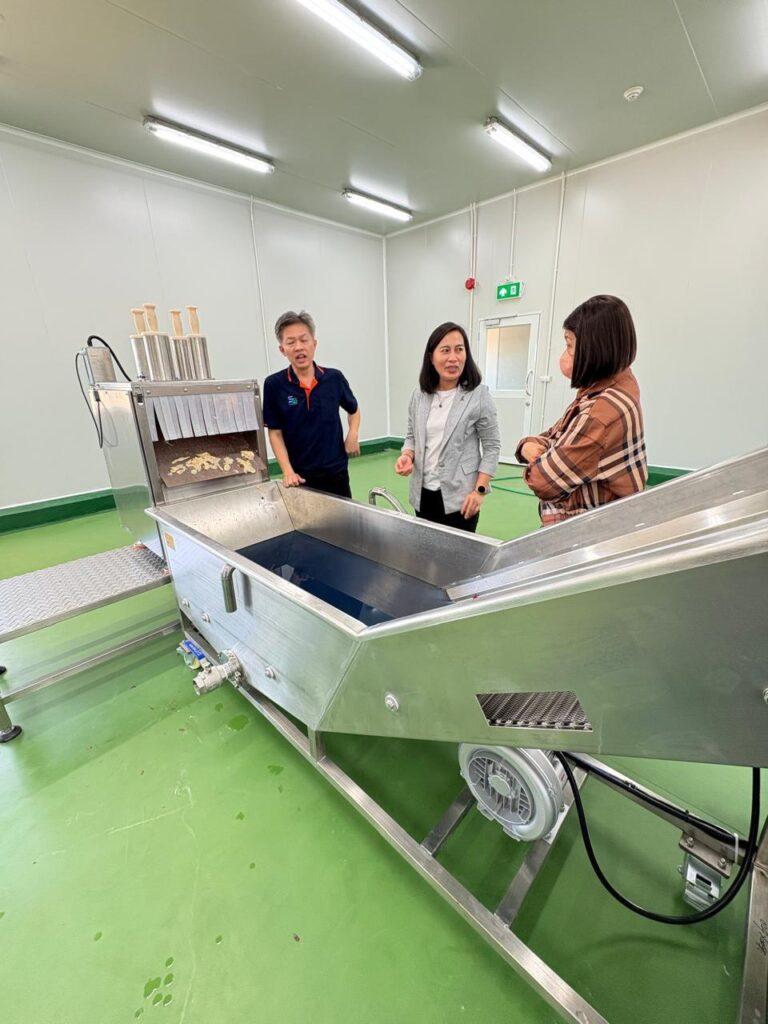
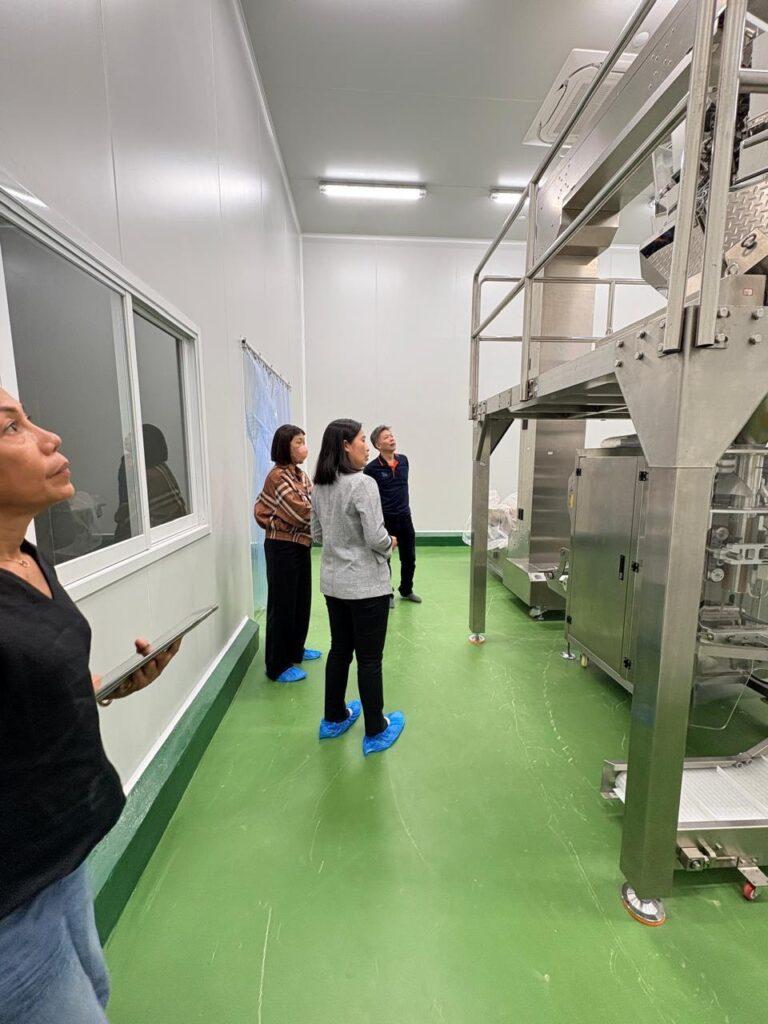
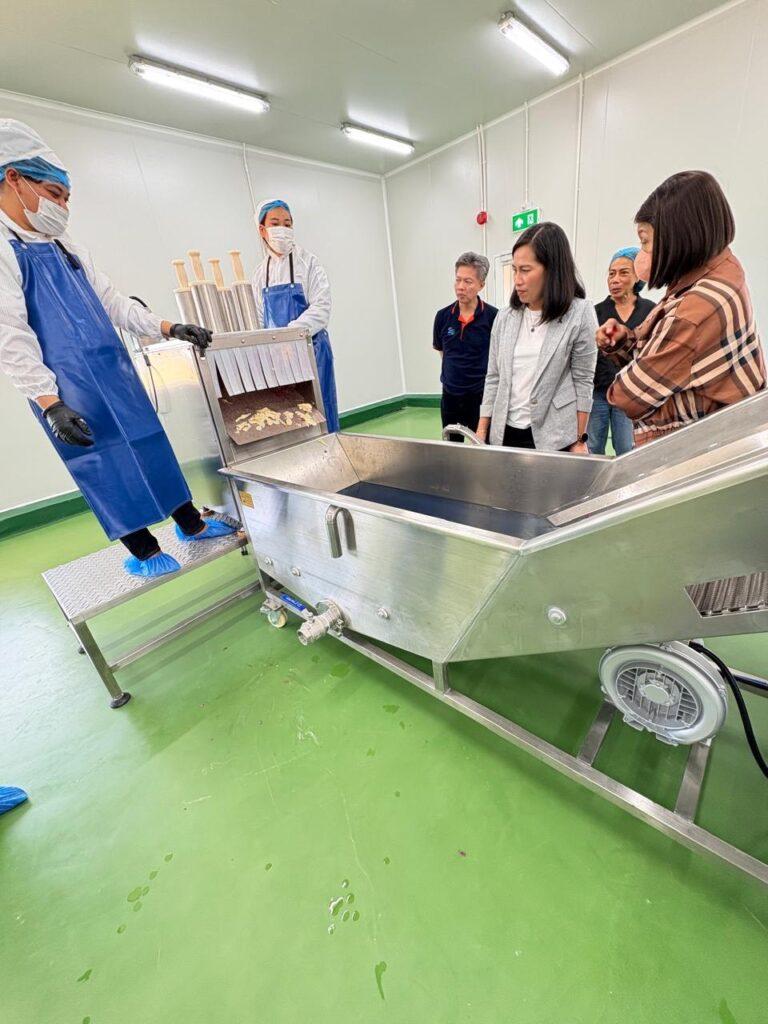
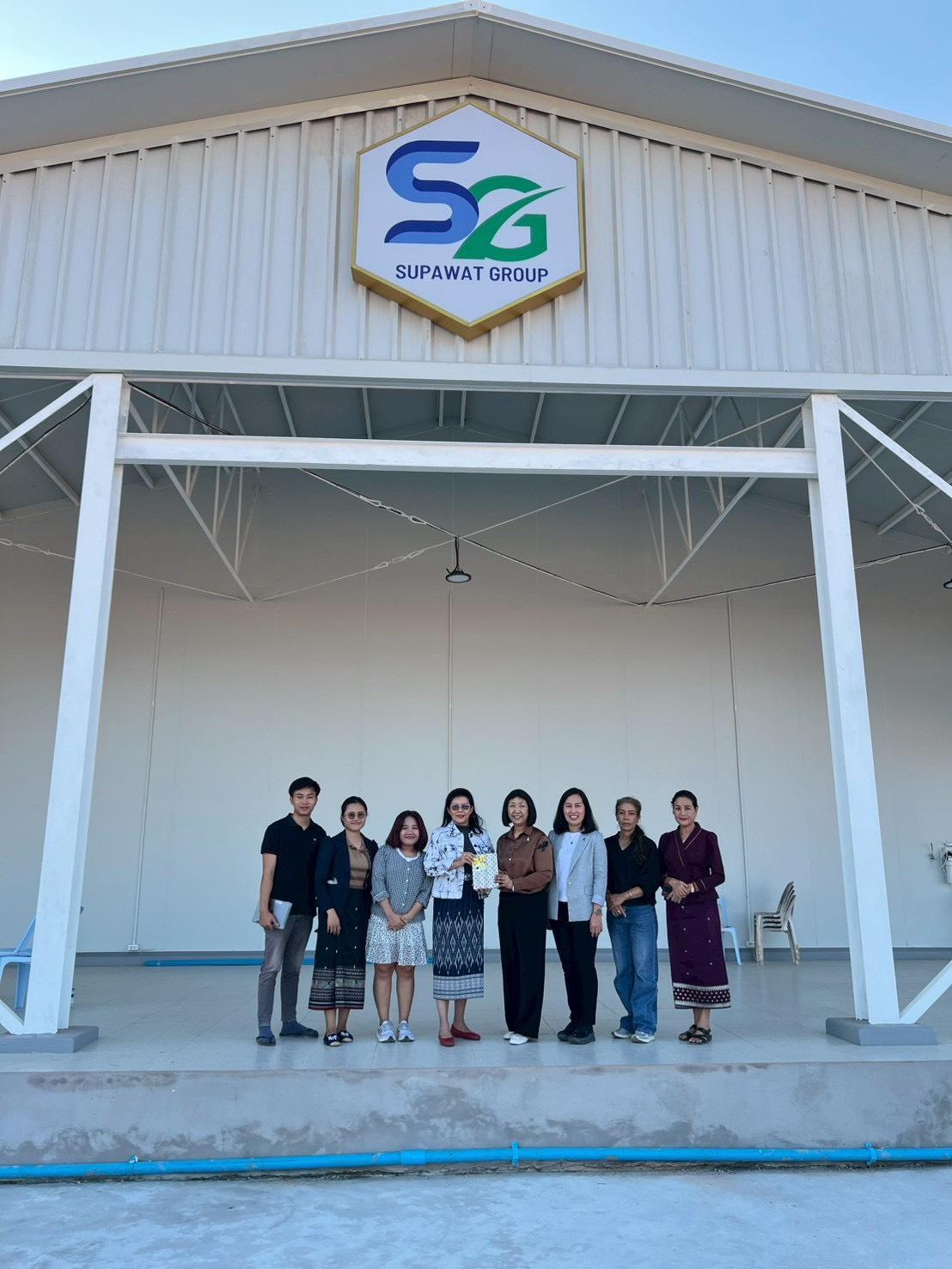
Assistant Professor Dr. Araya Chaoruangrit, Dean of the Faculty of Technology, together with Associate Professor Dr. Jantima Phungamngern, the lead researcher responsible for the purple sweet potato product development, conducted an on-site inspection of the machinery system at the SUPAWAT Group Sole Co., Ltd. fruit processing facility located in Xaythany District, Vientiane Capital, Lao PDR. Furthermore, the research team offered recommendations for improving the production process to enhance efficiency, ensure product uniformity, and elevate overall manufacturing standards, thereby strengthening the company’s readiness to expand into the regional food industry market.
Associate Professor Dr. Jantima Phungamngern, Vice Dean for Strategy and Corporate Communications, from the Food Technology programme, commented on the collaboration with the private company. She explained that she received the assignment from the Dean of the Faculty of Technology, who forwarded the request to specialists in food innovation and technology, seeking assistance to boost the production potential of vacuum-fried purple sweet potatoes. This initiative was undertaken because Lao PDR possesses abundant agricultural raw materials, and there is a desire to add value through processing.
The project specifically utilises Vacuum Fried technology, which differs significantly from standard deep-frying methods that typically operate at temperatures of 160–180 degrees Celsius. The Vacuum Fried technology works by reducing the atmospheric pressure to create a vacuum, which lowers the boiling point of the oil. This allows frying to occur at a much lower temperature, only 60–80 degrees Celsius. The result is the preservation of nutritional content, minimal oil absorption, and the retention of the original colour, aroma, and flavour of the raw material.
Associate Professor Dr. Jantima Phungamngern further stated, “We are delighted that the knowledge gained from the classroom and the laboratory is being put into practical use. We have seen the development progress from the machine placement to becoming a factory, and soon it will be a widely consumed product. This project creates positive impacts for all stakeholders: Lao farmers gain increased income, the company acquires a high-value processed product, Lao PDR benefits from technology transfer for development, and consumers receive a high-quality, health-conscious product. The Faculty of Technology, Khon Kaen University, is ready to support both public and private organisations, domestically and internationally, in developing food innovations. We will consider matching researchers with entrepreneurs based on suitability, aligning with the Faculty’s vision of creating innovations for society and driving commercialisation.”
This collaboration reflects the crucial role of the Faculty of Technology, Khon Kaen University, in driving research toward economic and social utilization under its vision of being “a leading organisation in creating innovations for society and commercialisation.” It directly addresses the OKR24 goal concerning partnership strengthening with institutions in the Greater Mekong Subregion (GMS) countries, and supports Sustainable Development Goal 2 (SDG2: Zero Hunger) by contributing to sustainable food security.