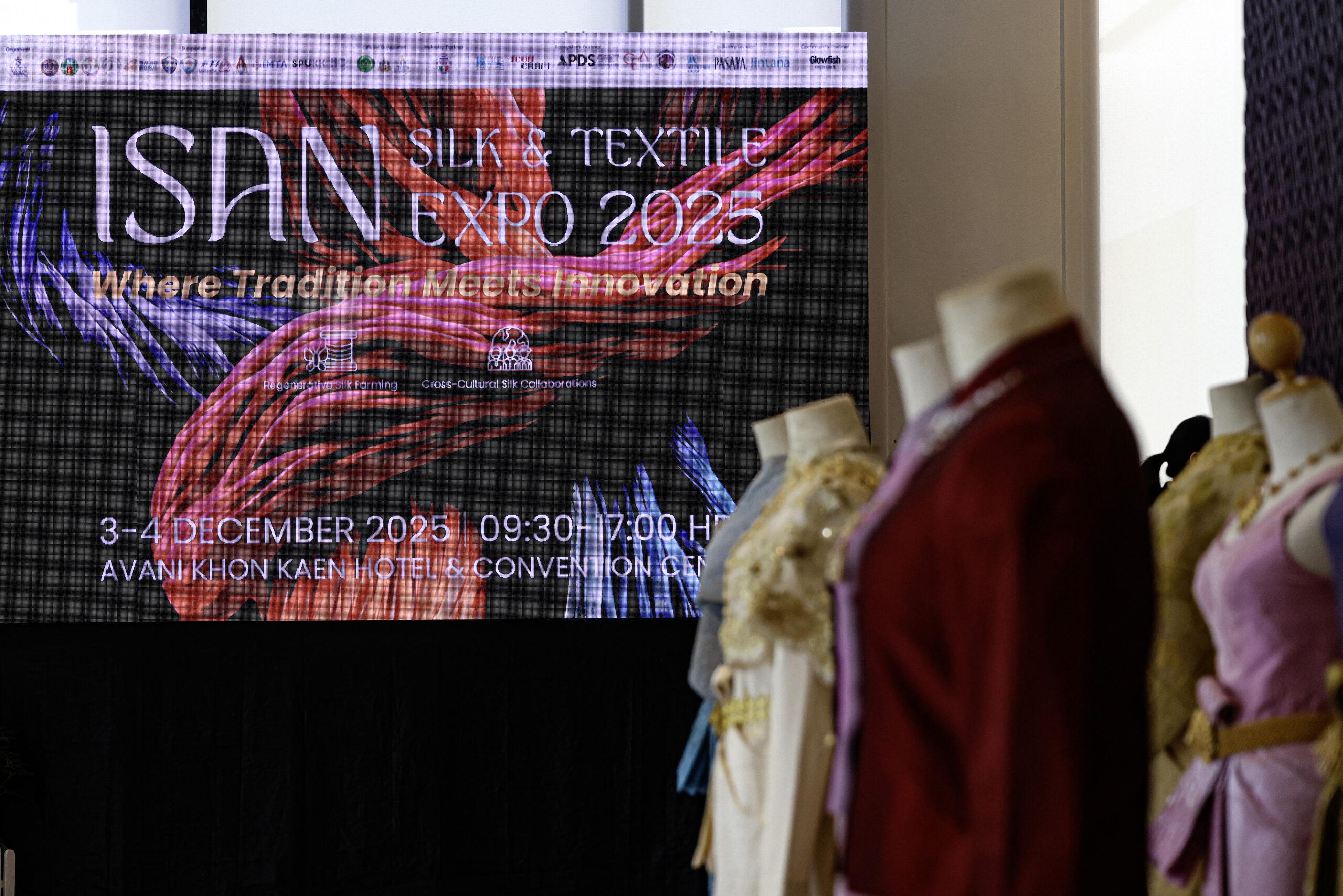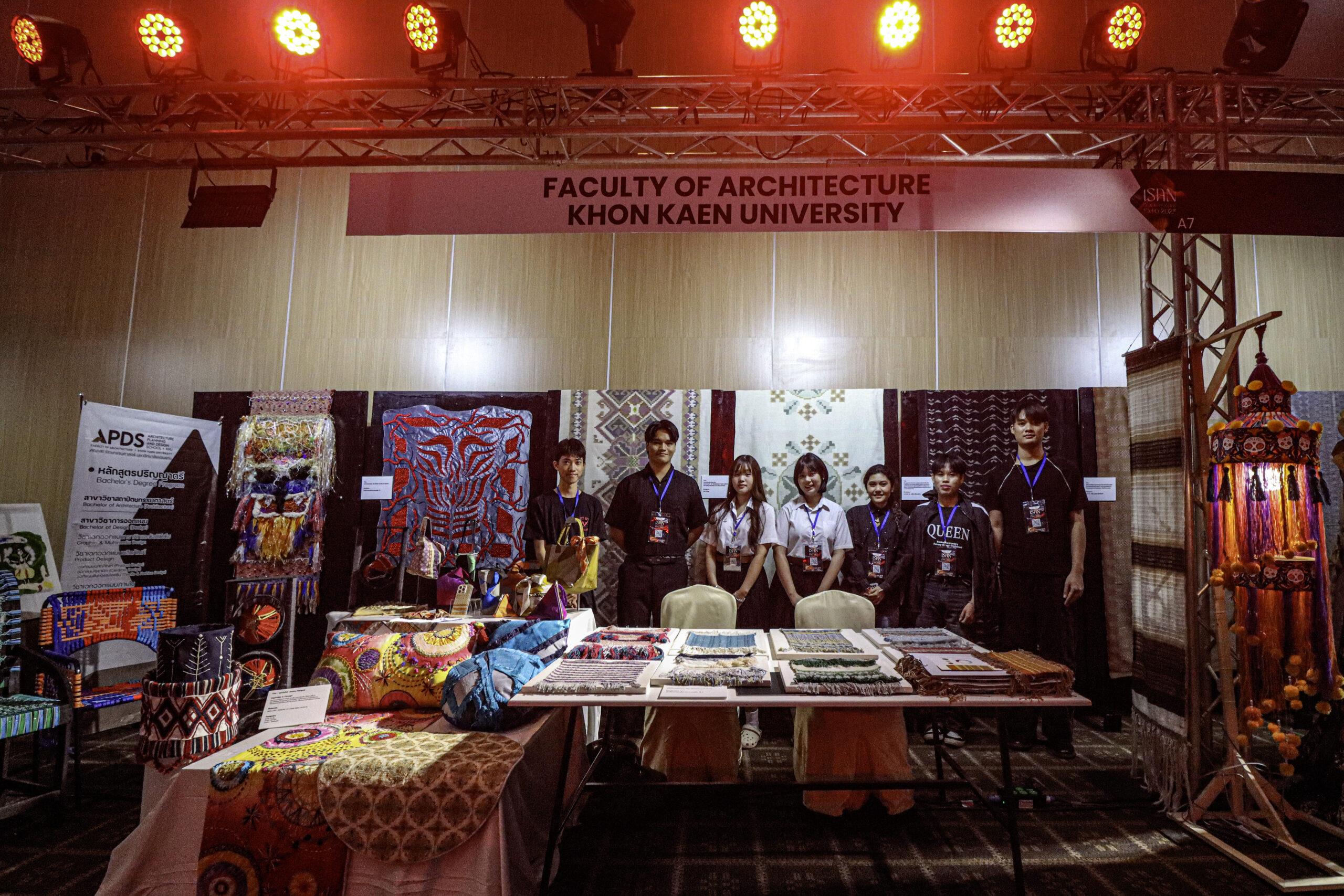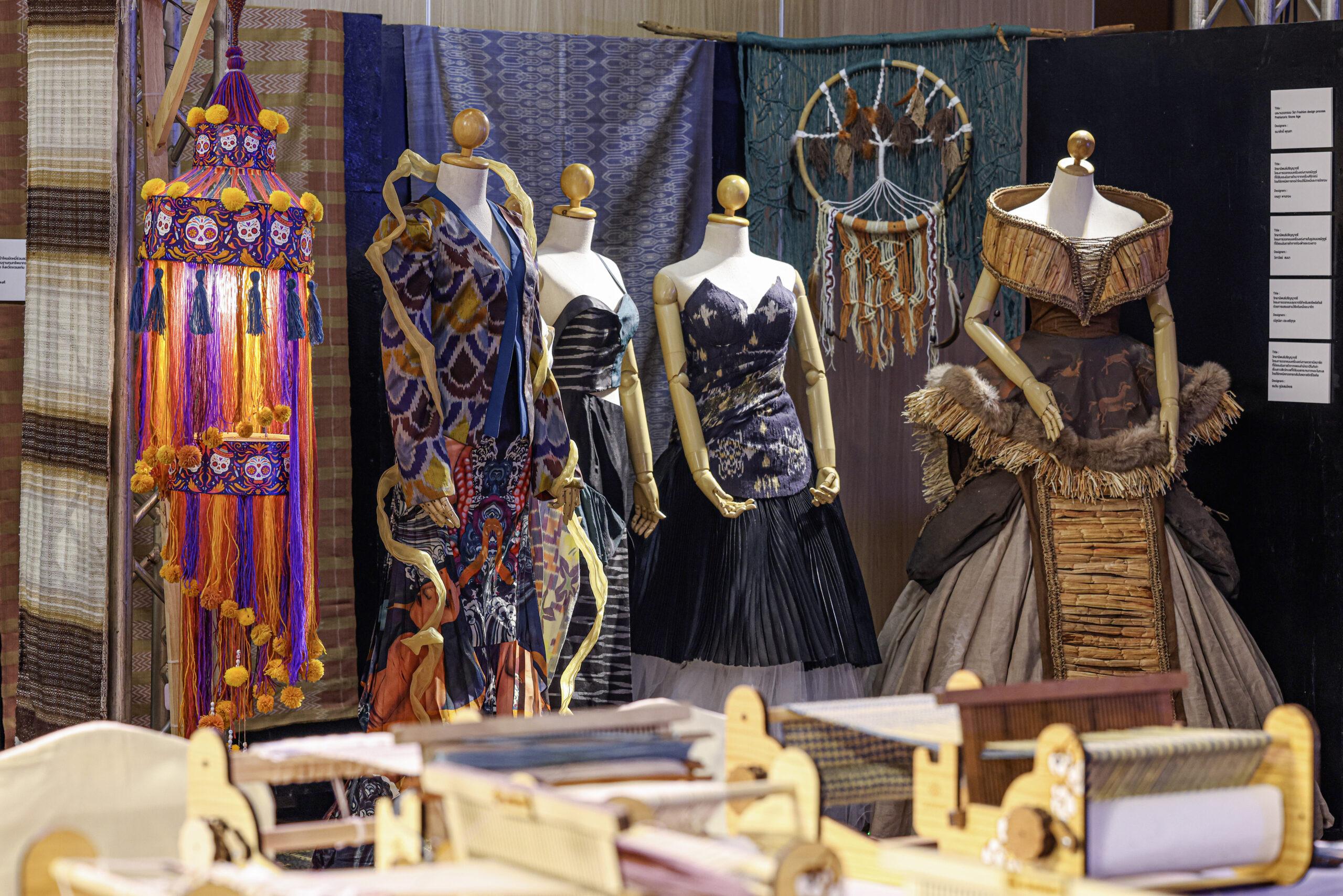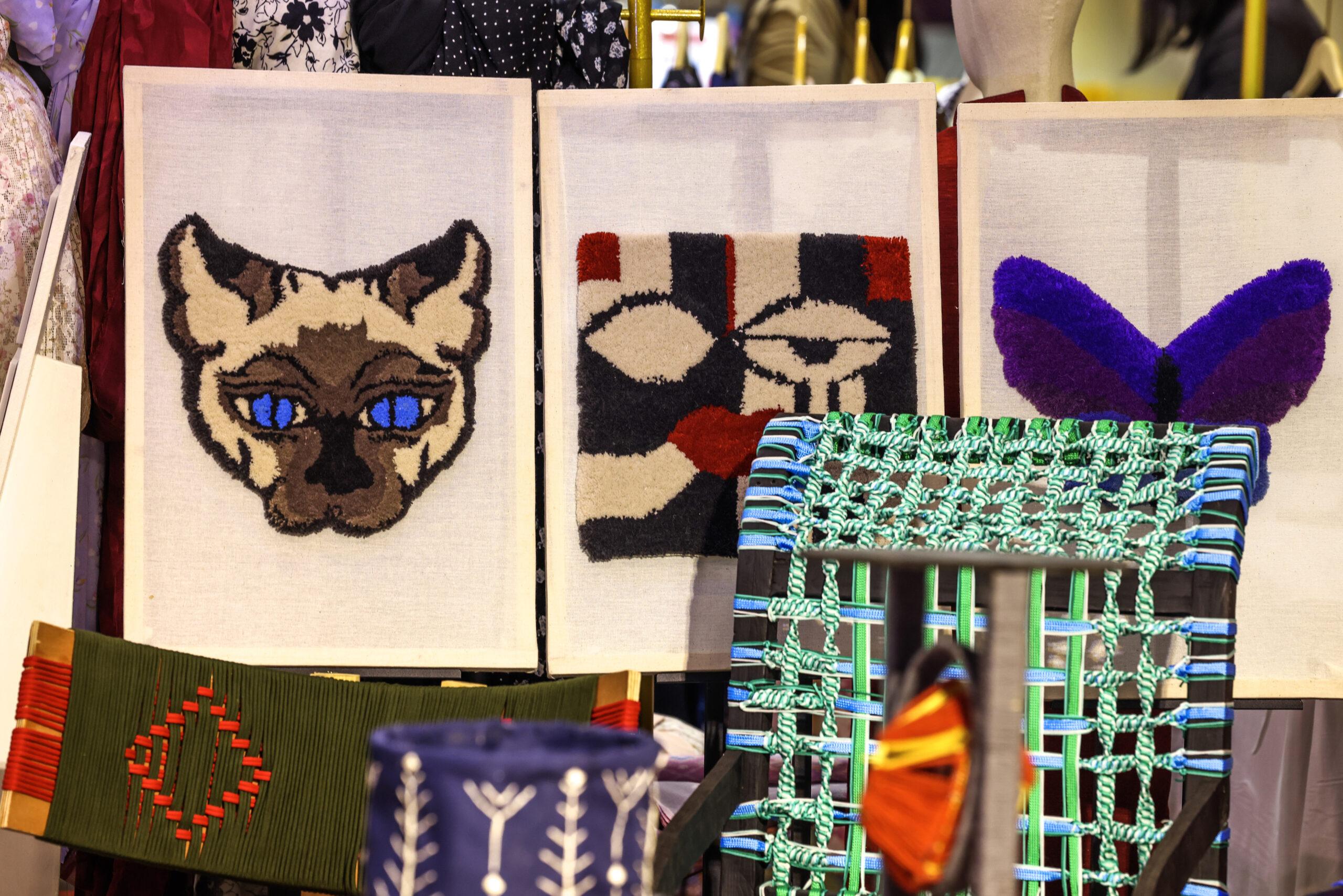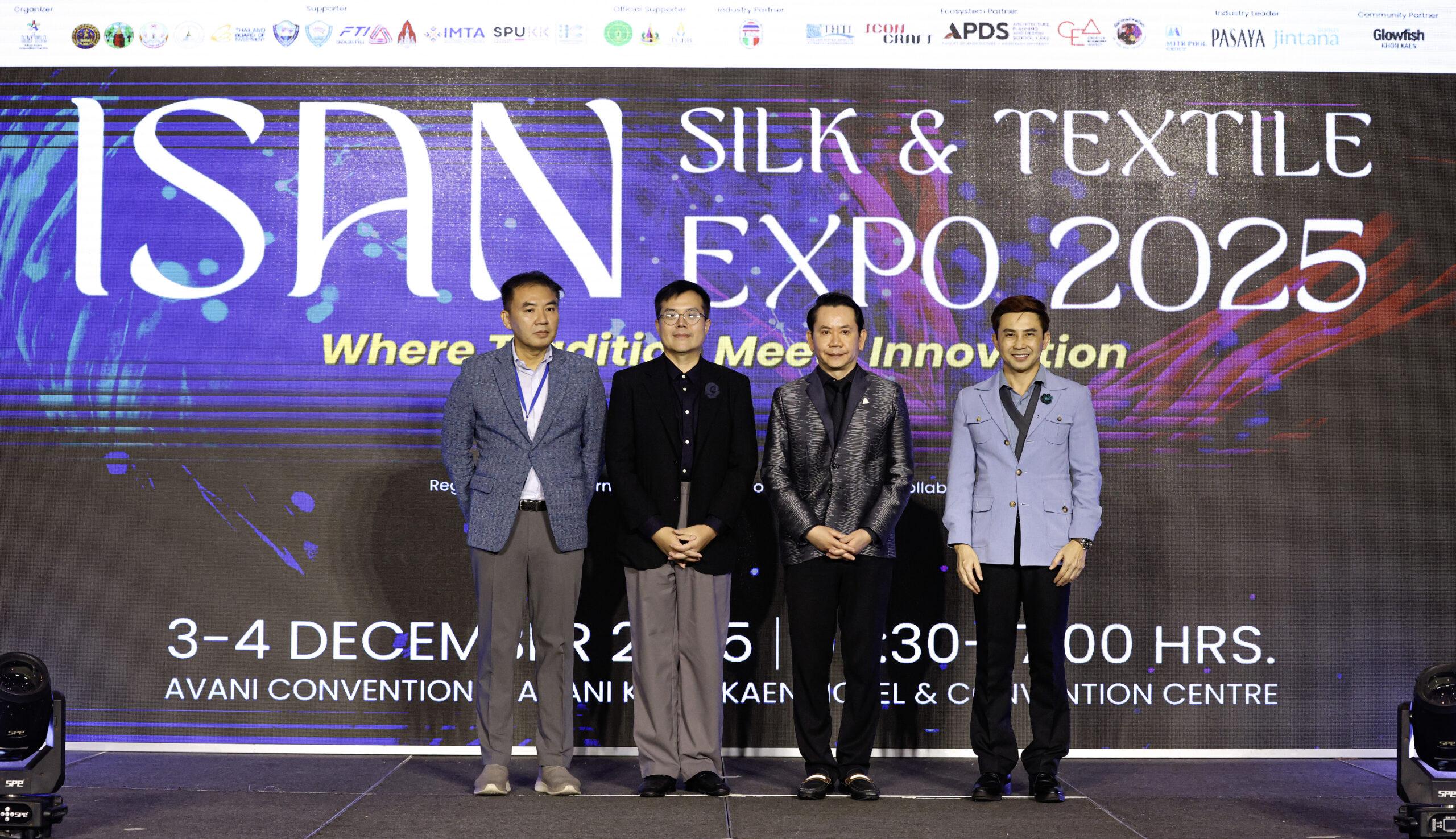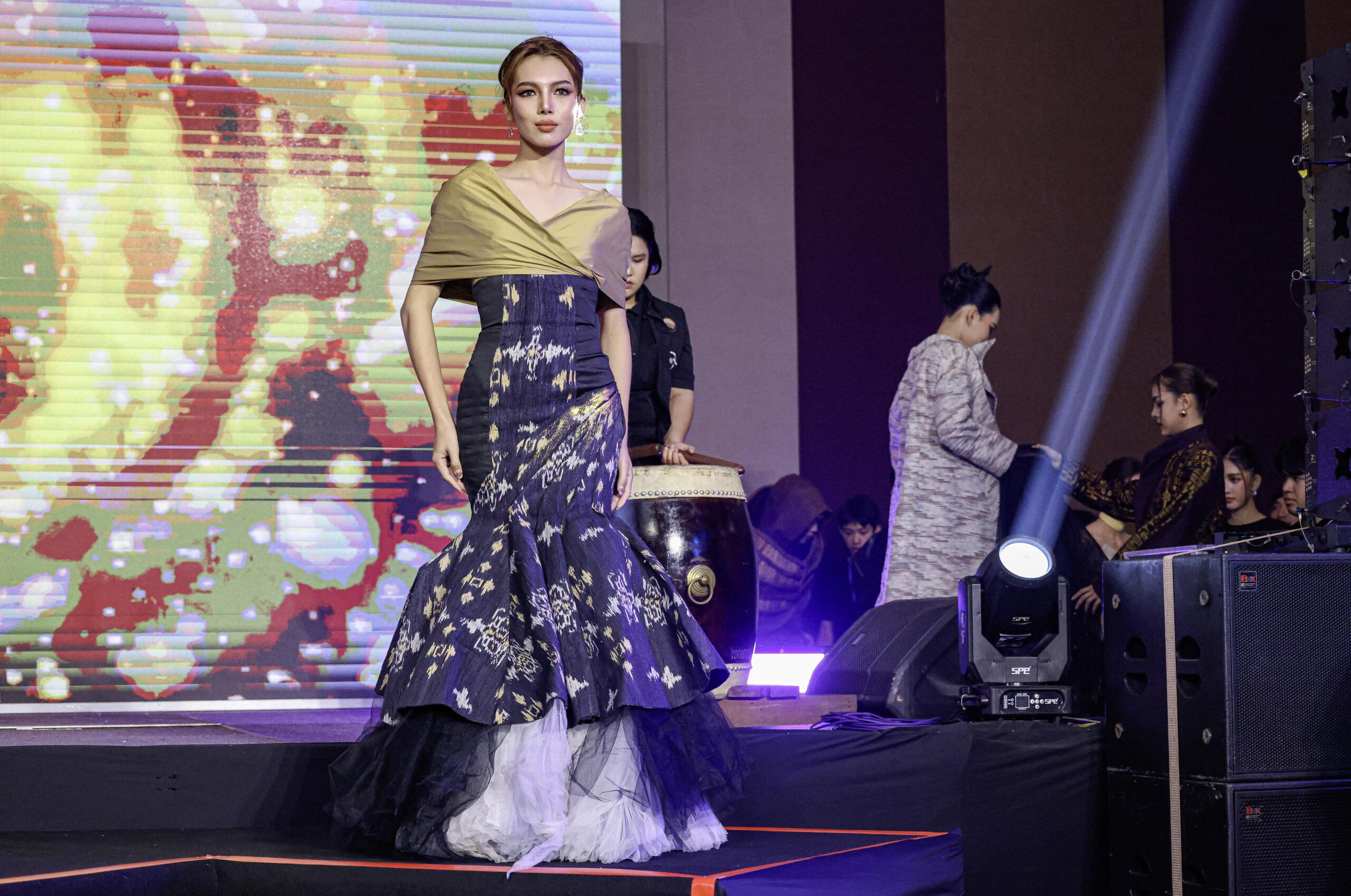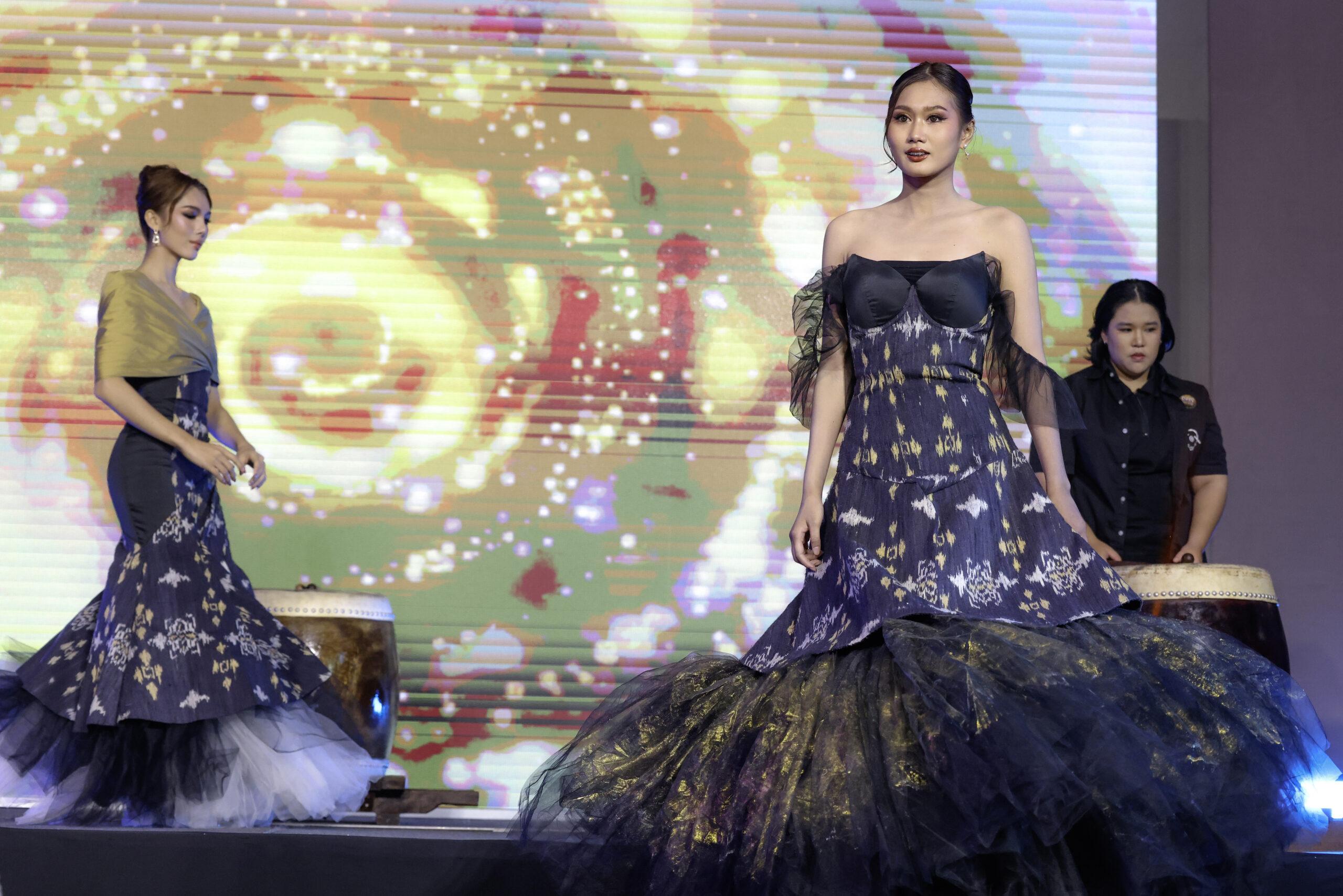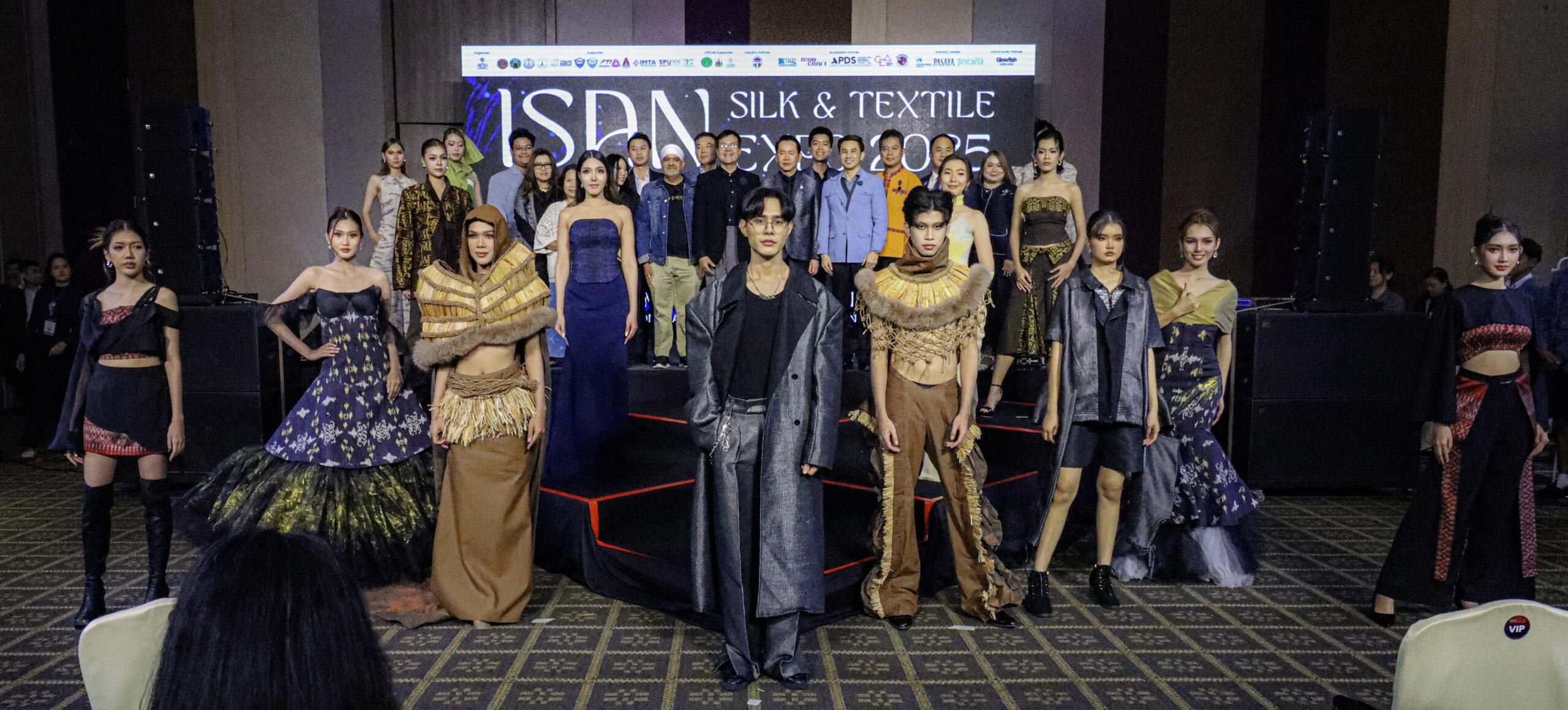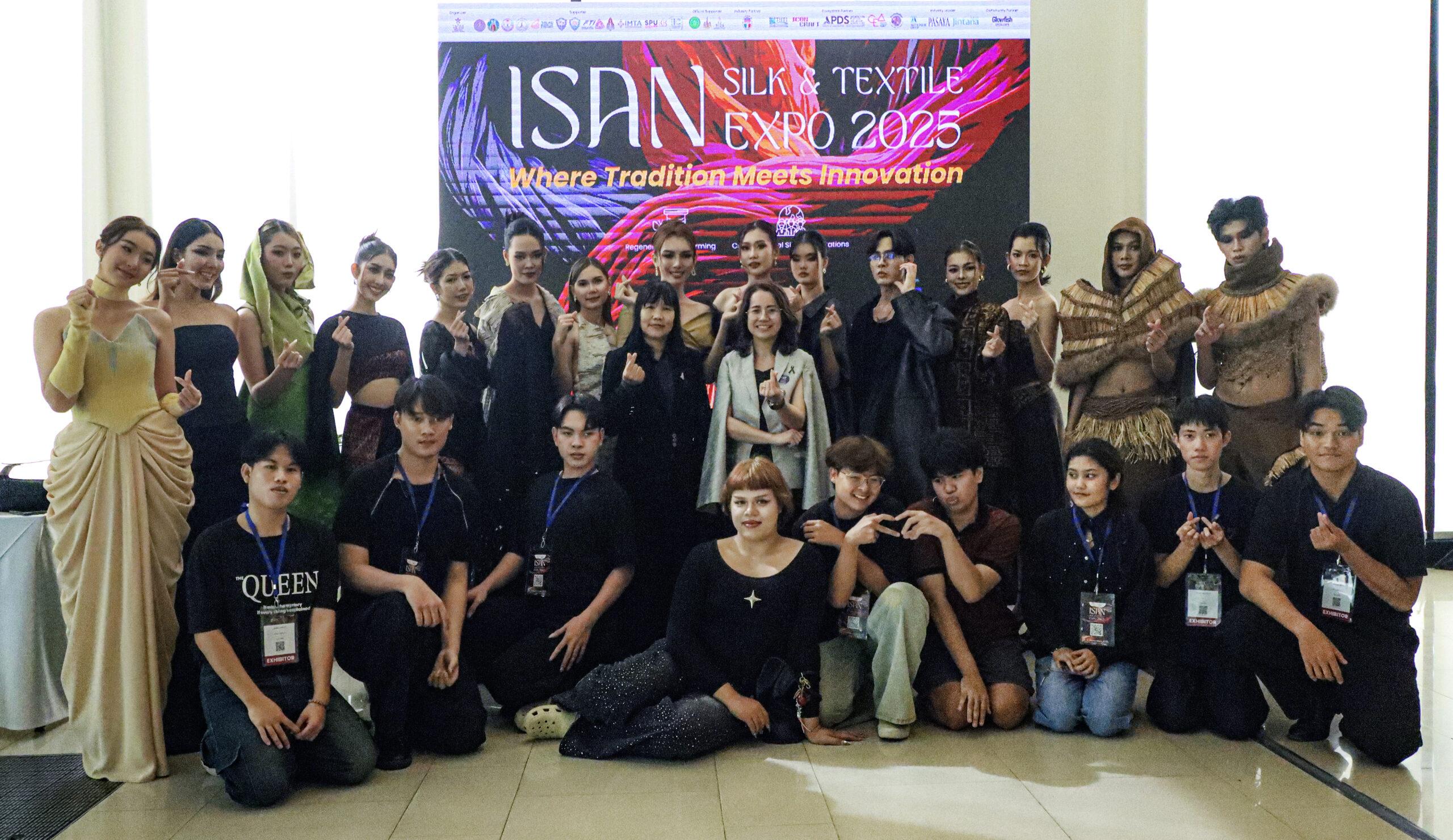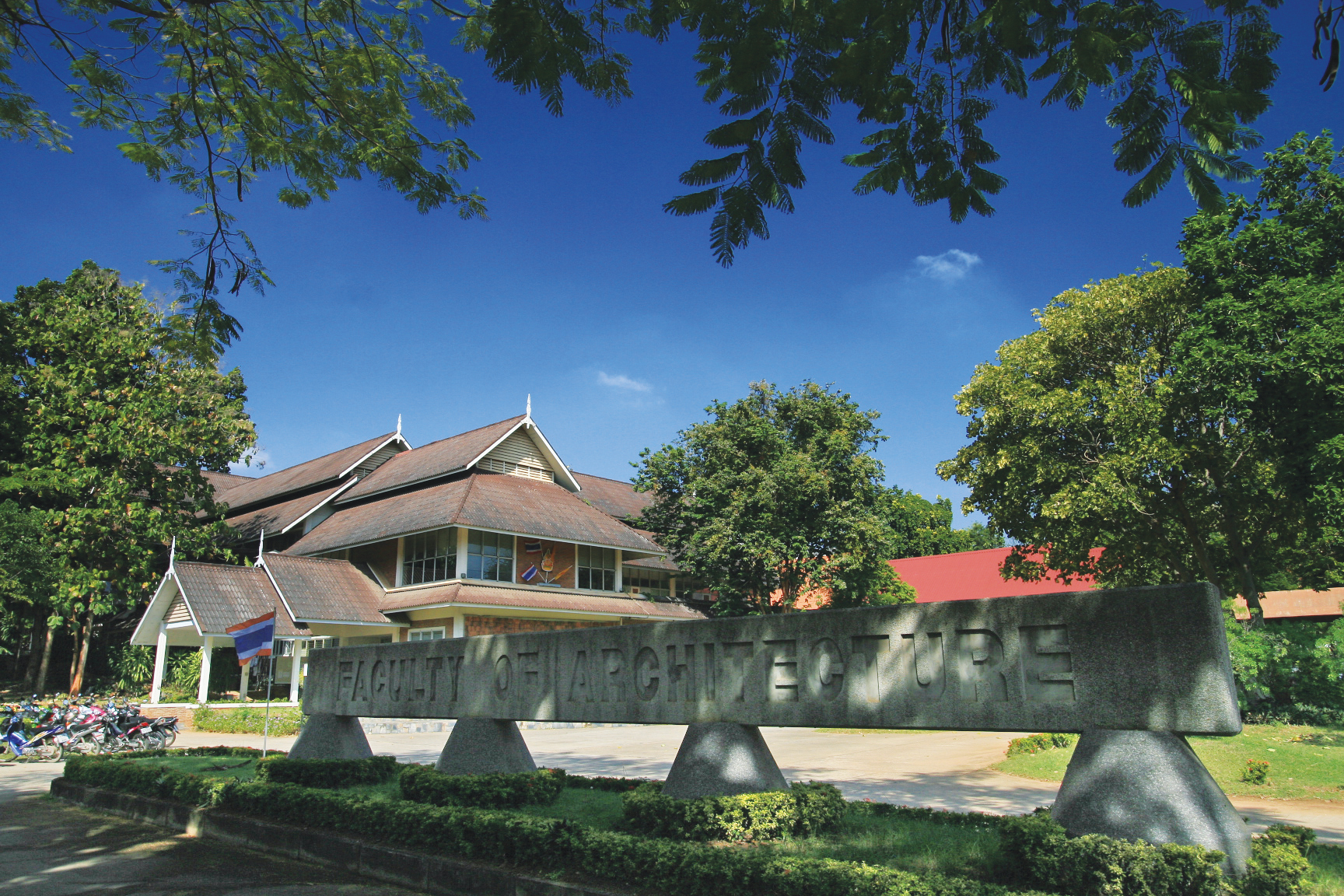
KHON KAEN – The Faculty of Architecture at Khon Kaen University played a key role in the ISAN SILK & Textile Expo 2025, presenting a sustainable fashion show and an exhibition of textile innovations at the event held from 3–4 December 2025.
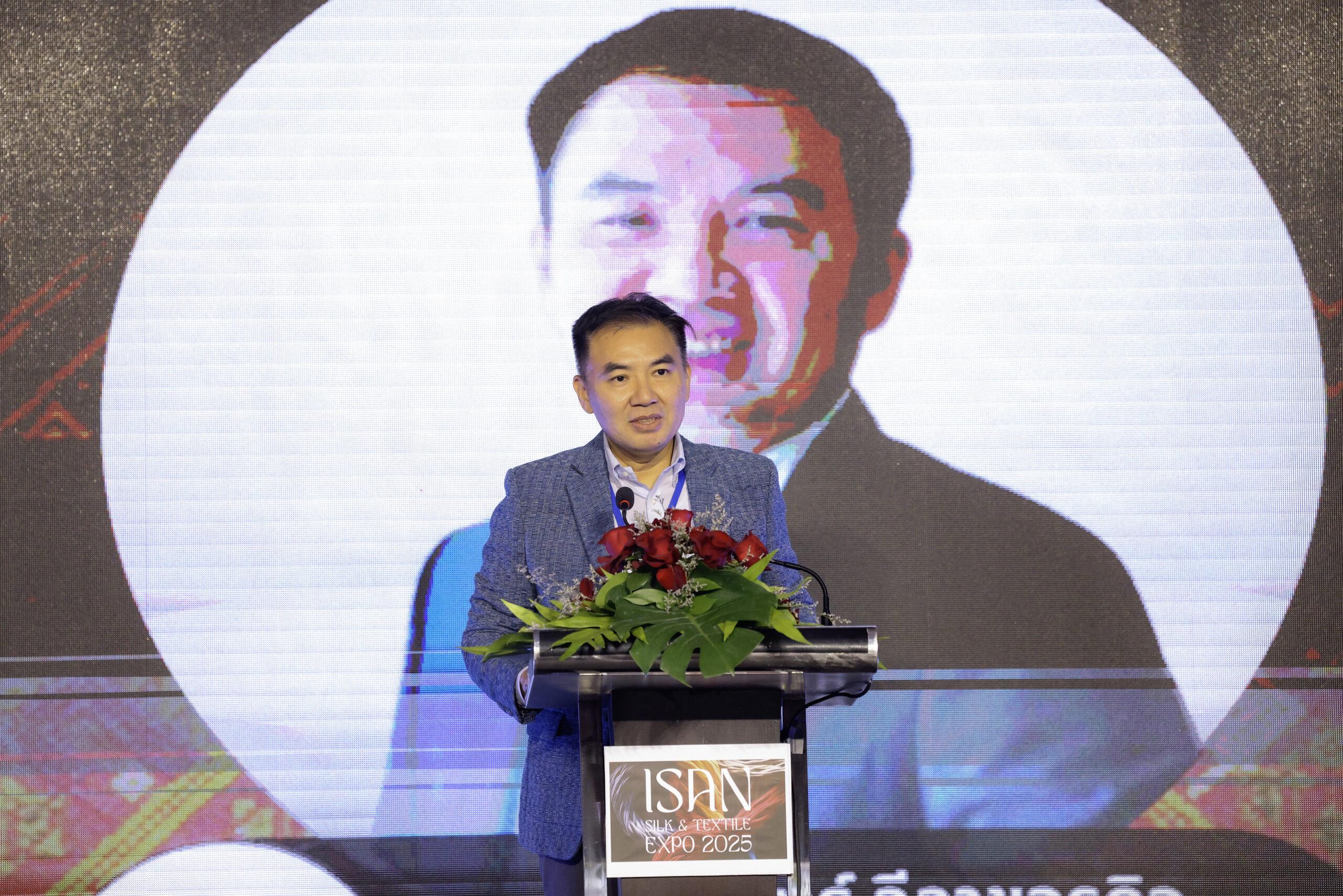
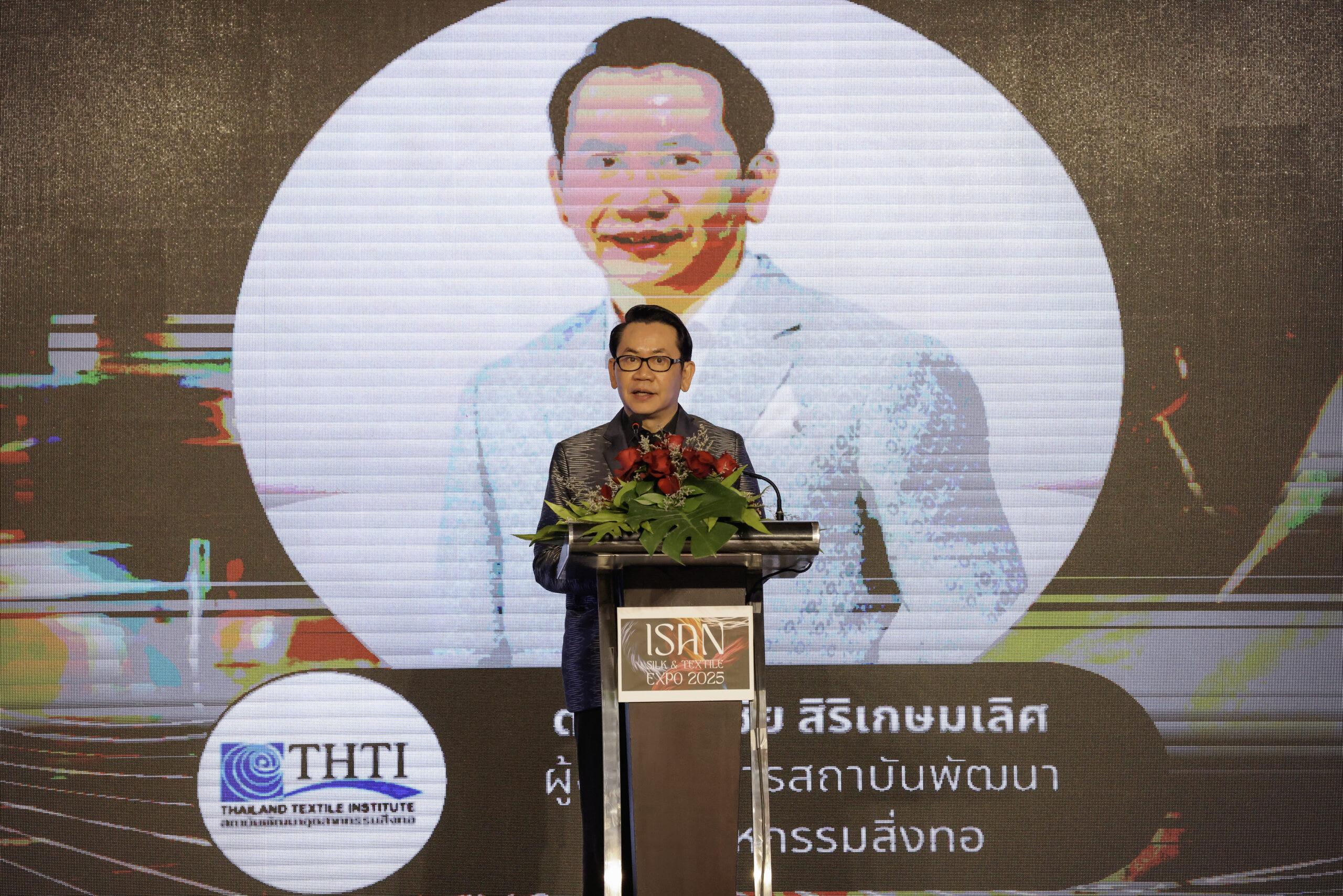
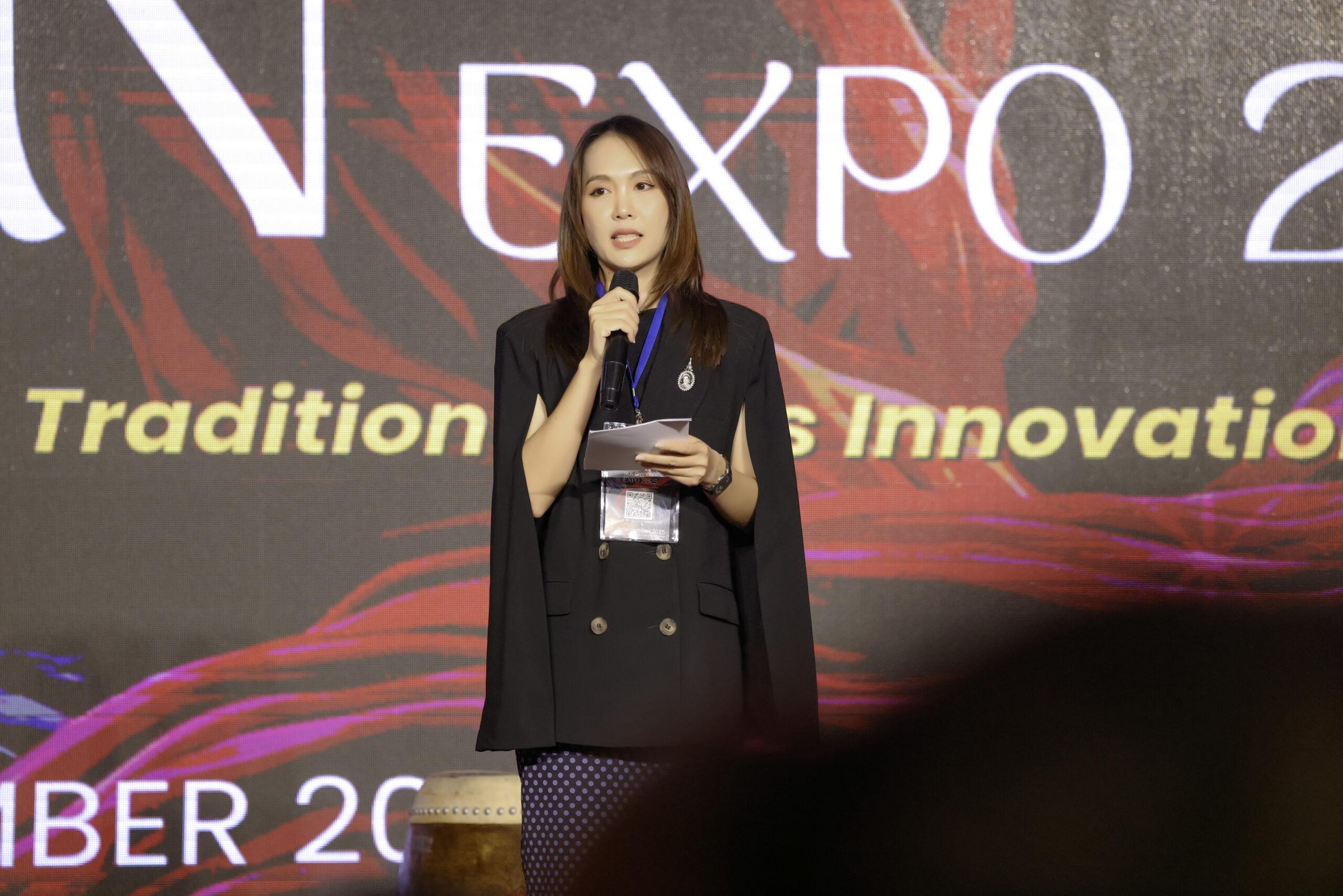
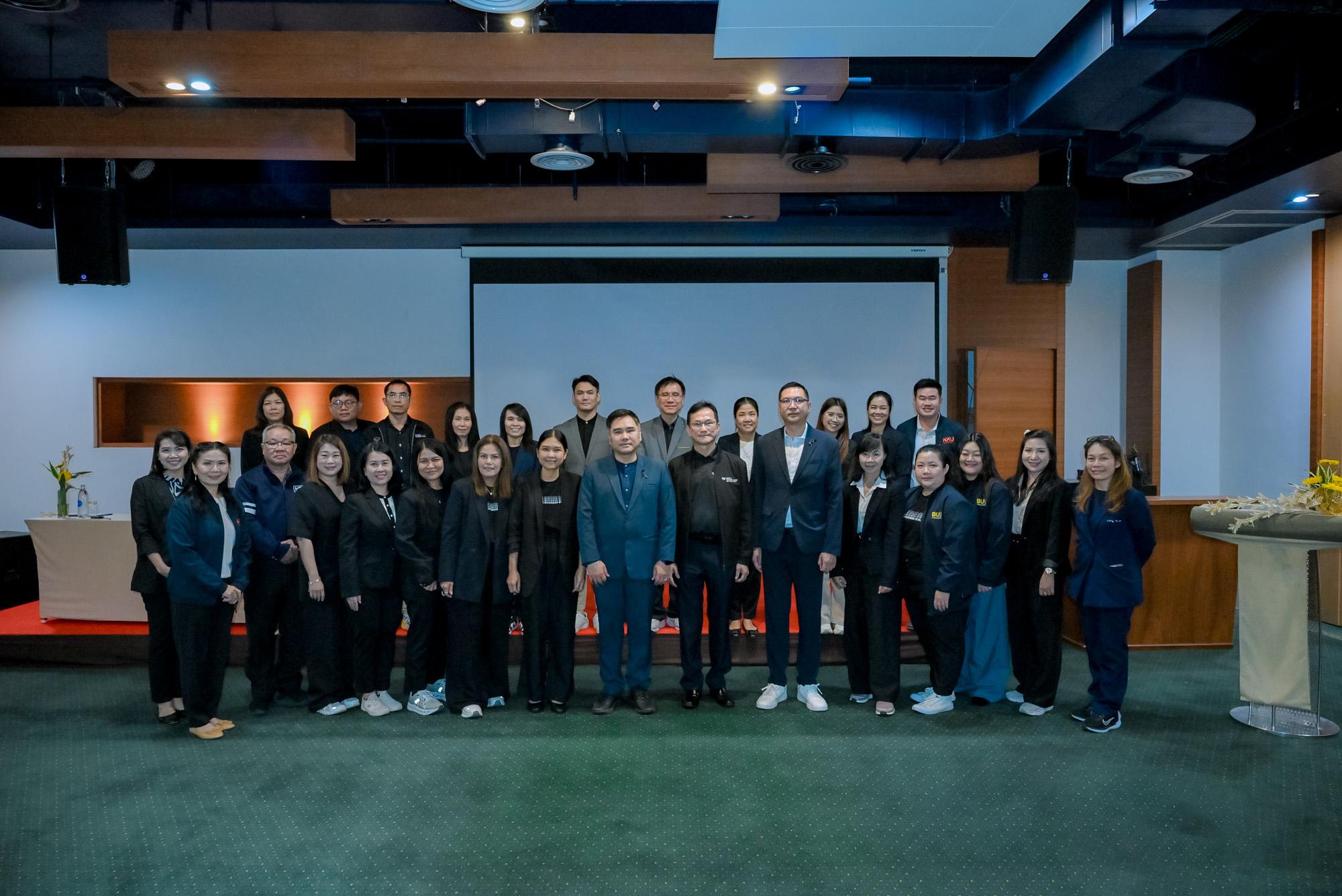
The international trade fair, hosted at the Avani Khon Kaen Hotel & Convention Centre, was a collaborative effort involving the Khon Kaen Innovation Center, the Creative Economy Agency (Khon Kaen), and the university’s architecture faculty. The event was inaugurated by Dr. Chanchai Sirikasemlert, Director of the Thailand Textile Institute.
In his opening address, Dr. Chanchai stated that the institute, under the Ministry of Industry, supports the expo as a platform to elevate the Thai textile industry to international standards amid a rapidly changing global trade landscape. He highlighted three key focus areas: sustainability through eco-friendly production and the use of recycled materials; innovation driven by modern technologies like IoT and AI in design and manufacturing; and community empowerment by blending local wisdom with technology to create stable income. The expo aims to showcase the beauty of Isan silk and connect the region’s textile industry to the global market.
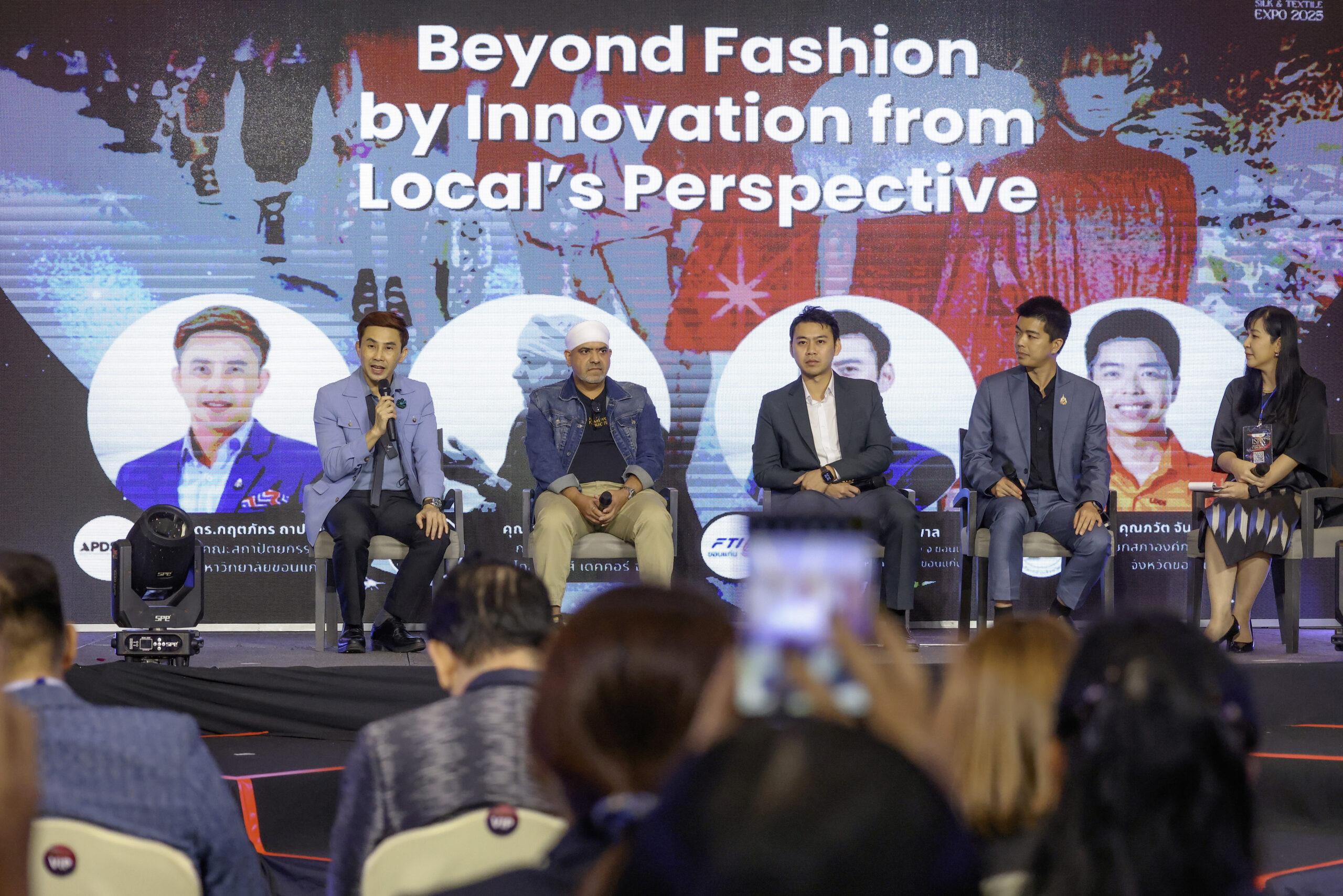
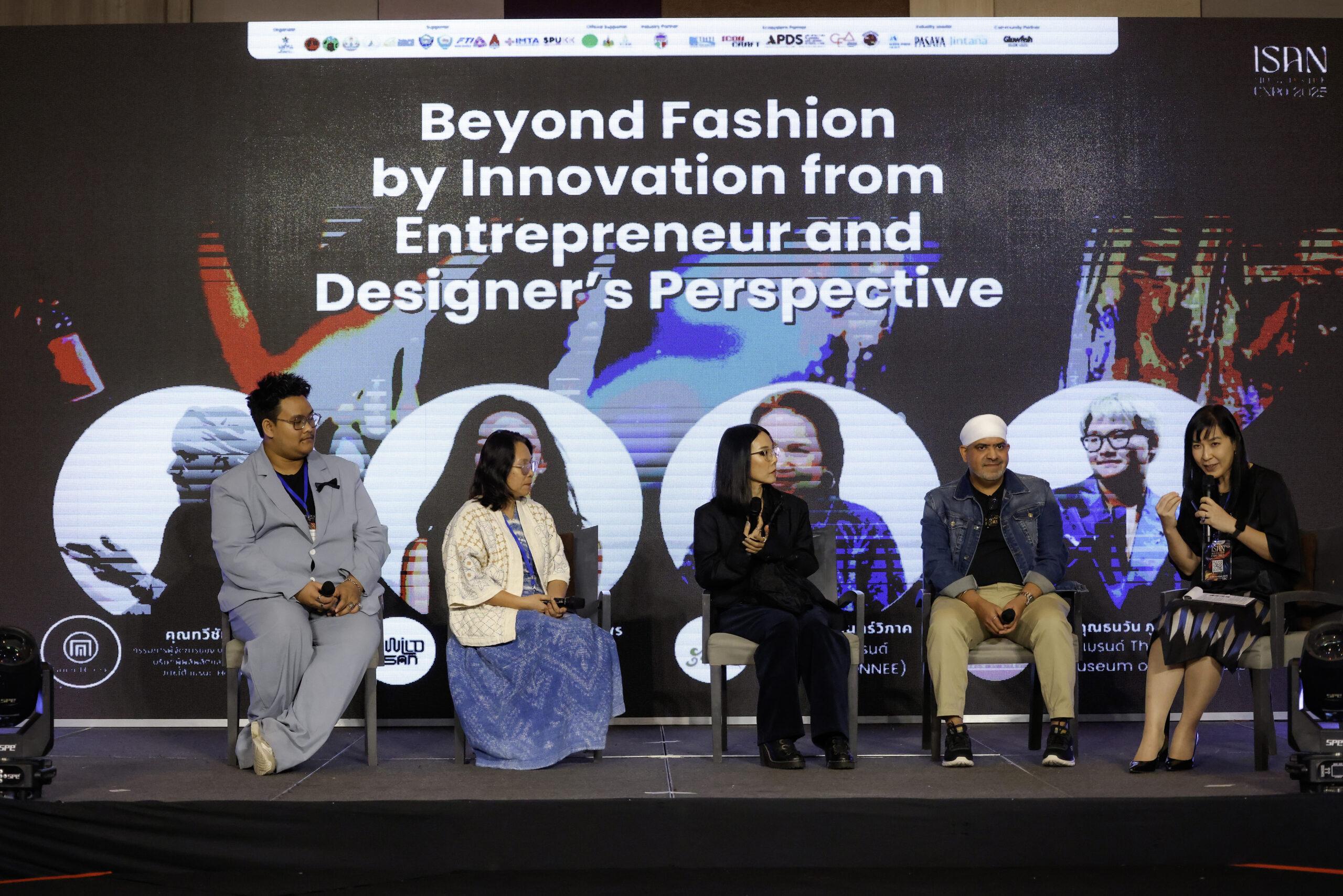
Associate Professor Dr. Kritphat Thapalabutr, Dean of the Faculty of Architecture at Khon Kaen University, participated in a panel discussion titled “Beyond Fashion by Innovation from Local’s Perspective.” He presented an academic viewpoint on fashion, emphasizing its significant environmental impact due to the vast resources, such as water and energy, consumed in textile production.
“Fashion is not just about clothing; it’s a major environmental issue,” Dr. Thapalabutr explained. He noted that if the industry can reduce energy consumption throughout the production chain and effectively repurpose waste materials, it could become a powerful force for environmental stewardship.
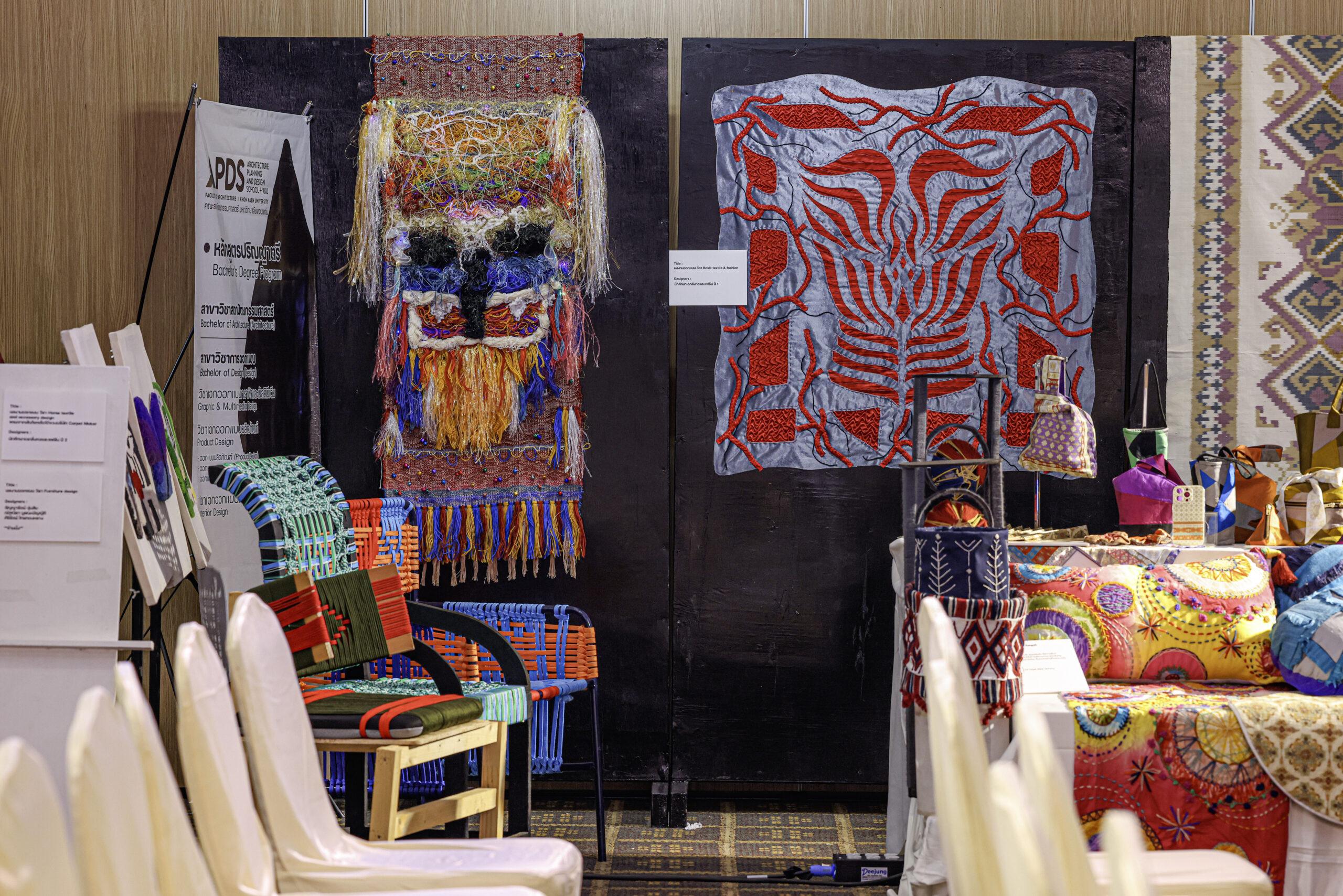
Dr. Thapalabutr described the university’s role as translating academic knowledge into practical and creative outputs. “Our exhibition serves as a platform to display the outcomes of our teaching and research, featuring clothing collections, patterns, and material prototypes,” he said. “It proves that sustainable fashion concepts can lead to diverse and practical designs.” He clarified that the university’s objective is not commercial production but to bridge the gap between knowledge and entrepreneurs, who can then further develop or license the concepts for commercial use.
The two-day expo featured a packed schedule, including a sustainable fashion show, an exhibition of innovative silk and textiles from leading national brands, workshops, and seminars, creating a comprehensive networking and knowledge-sharing event for government agencies, private companies, designers, and new entrepreneurs.